
The teenage years are a tricky time to navigate for both child and parent – hormonal fluctuations, developing neurobiology, navigating peer relationships and increasing school demands can be just a few of the challenges to be juggled. This can be hard for both the young person and their family. One day or minute they seem fine, the next they are irritable, quiet or picking at their nails for no unseen reason.
Unfortunately, anxiety disorders increase in adolescence with around 1 in 5 experiencing anxiety. It’s important to be vigilant around the signs as anxiety doesn’t always look like “worry” and can be much more individual.
Physical signs
- Stomach pains, nausea, diarrhoea.
- A racing heart and/or rapid breathing
- Feeling lightheaded or faint
- Teeth grinding
- Shaking or trembling
- Increased sweating
- Picking at nails, hair, skin
Psychological signs
- Difficulty relaxing
- Feeling overwhelmed
- Feeling of dread, like something bad is going to happen
- Feeling out of control
- Feeling tired and grumpy
- Needing reassurance or frequent worry you have upset someone
- Feel self-conscious
Behavioral signs
- Changes in eating habits – Noticing a sharp increase (emotional eating) or a significant decrease in food intake (loss of appetite) can occur; both increases and decreased in appetite and nutritional intake can negatively impact health and wellbeing. Often a loss of appetite can be due to the physical symptoms of anxiety feeling so strong that they overpower the body’s ability to recognise and act appropriately on hunger signals. Equally an increased appetite can occur, noting a considerable increase in hunger, often this is referred to as an emotional hunger and may not be truly experienced in the gut. Emotional Eating Worksheet . If you or a loved one is experiencing these appetite changes, it’s worth considering a dietetic assessment Support Packages – The Mood and Food Collective
- Difficulty sleeping
- Need to use the toilet more often
- Difficulty concentrating
- Feeling tense or fidgeting
- Having panic attacks
At some point in time most people will experience these symptoms to some degree, whether it’s before a sporting event or school exam, or following a conflict with a loved one. What separates these instances from anxiety as a diagnosis is just how often someone is feeling this way and the effect it is having on their ability to complete daily tasks or things they would normally do and enjoy. If you notice yourself or someone experiencing frequent anxiety symptoms which are impacting their lives, they may want to seek further support via their GP. Seeking support early can make a significant difference to the development of anxiety and can reduce the impact it has on longer term functioning.
Anxiety can be caused by a multitude of factors; biological, brain chemistry, environmental stressors, and social pressures. The hormonal shifts and rapid brain development that occur during the teen years can increase susceptibility. Adolescents with an increased predisposition to anxiety maybe be sensitive to lifestyle factors which can further increase occurrence, such as; sleep duration and quality, physical activity and what they eat and drink.
Nutritional factors that can trigger;
- High sugar intake
- Nutritional deficiencies (inadequate vitamins and minerals)
- Being malnourished, including protein malnutrition (inadequate protein intake)
- High fat or processed food diets
- Caffeine or alcohol consumption
Nutritional factors that can stabilise;
- Fibre Fibre – BDA
- Essential fatty acids (omega 3 and 6)
- Adequate intakes of magnesium, selenium, folic acid Food and mood – BDA
- Improving the nutritional status if they are under malnourished/ underweight
What is sugar?
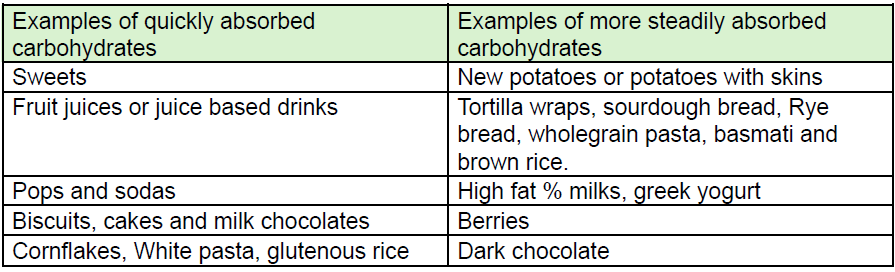
Sugar is a carbohydrate, in its simplest or most refined form, thus meaning it is quickly absorbed when consumed. This can result in a rapid influx of glucose into the blood stream and a rapid subsequent uptake by cells.
Drinks are generally more easily and rapidly digested than solid foods, which results in a further accelerated absorption into the blood stream.
What about natural sugars?
Sugar is found naturally in foods such as fruits, dairy foods and some plants. When these natural foods are consumed, energy is acquired in the form of these sugars. However, such sources also provide additional added nutrients, which are beneficial to health.
Sugar can also be commercially added to foods this is sometimes called “free sugars”. This can be both natural (syrups, honey etc) and processed sugars. These are typically added to sugary drinks, sweets, biscuits, and chocolate. Sugar can also be contained in some savory foods. They usually are high in energy but low in nutrients, offering little value for overall health.
Do we need sugar at all?
Yes! Ultimately, all carbohydrate foods are broken down in the body to become sugar or glucose as it is sometimes known as. The time it takes for this process to happen will vary depending on the food type but generally the longer it takes to be digested and absorbed the better as this provides a more sustainable and steadier source of energy. Carbohydrates, and therefore sugar provide an important source of energy for both day to day needs and activities with higher energy demands (Sports and activities). Carbohydrates also have broader health benefits, often providing key vitamins and supporting our gut function and microbiota.
What happens when we consume too much sugar?
Having excess sugar can have an adverse impact on both our long- and short-term health. This is often associated with negatively impacting our physical health, such as our dental health, weight management, and glucose tolerance, but sugar intake can also be associated with adverse changes to our mental health.
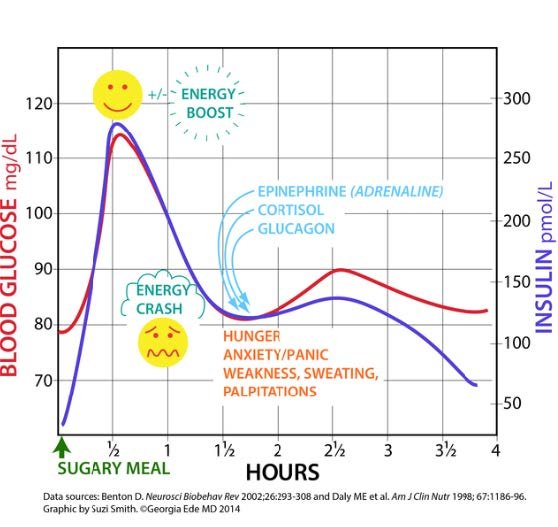
When large amounts of sugar hit the body all at once, the system can become overwhelmed. The pancreas responds with a rapid surge of insulin to help shuttle the sudden flood of glucose into the body’s cells. At the same time, that glucose rush triggers the release of endorphins — the brief “feel‑good” lift many people associate with sweet, comforting foods. But the combination of a fast energy spike and a neurochemical high can also create a sense of jitteriness, unease, and thoughts that feel scattered or harder to organise.
A recent review of evidence found a consistent association between high sugar intake and anxiety in teenagers. However, further research is required to explore which direction the relationship flows — whether anxious teens reach for more sugar, or whether high sugar intake contributes to rising anxiety. Longer‑term studies, however, point to a concerning pattern: sustained high sugar consumption is linked with poorer mental health outcomes over time.
Spikes and drops in blood sugar levels often cause highs and lows in mood. That energetic buzz or excitement following a sugary drink or snack is later met with a slump, irritable mood or sudden tiredness or low motivation. These can be mistaken for teenage “mood swings” but may very likely be influenced by the snack or drink choices being made.
This doesn’t mean all teens showing signs of feeling anxious should cut all sugar out of their diets, the occasional sugar snack or drink can absolutely be enjoyed as part of a balanced diet and are a popular choice for this age group. Rather than restricting or banning sugar, consider guiding the teen around snack choices and portion sizes, having an open conversation around balanced nutrition and its benefits. This open approach starts to promote informed decision making around food and drink choices, helping to initiate the consideration of other suitable alternatives to have in the food repertoire, as well as their most preferred options.
When there are active anxiety symptoms, it’s likely that the nervous system is feeling overwhelmed, supporting teens to make a wise choice, considering if high quantities of sugar will be helpful or unhelpful in that moment. They may wish to consider a more stable form of energy such as a complex carbohydrate (absorbed more slowly, allowing better regulation of energy). Also consider promoting calming routines and professional help if the problem persists.
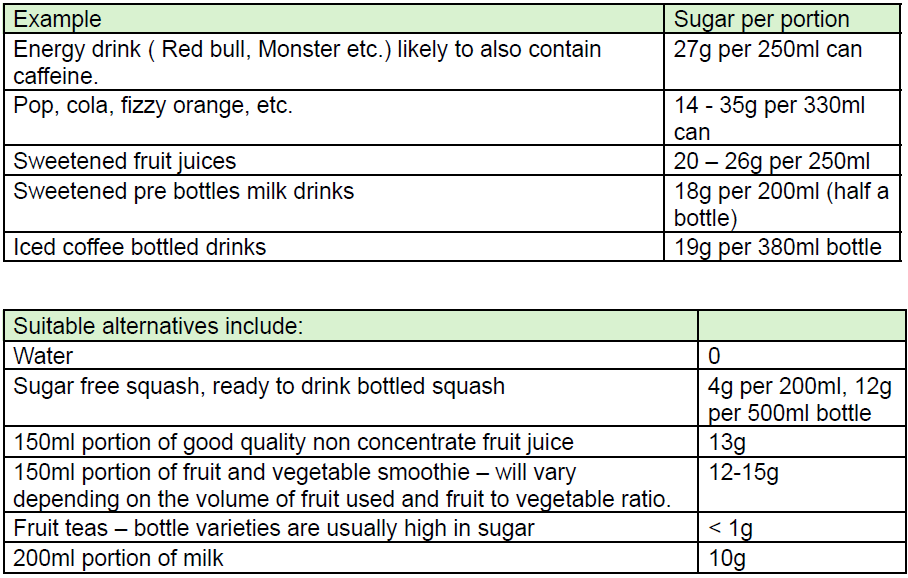
Sugary drinks: Drinks containing more than 13.5g sugar per portion are considered high in sugar. Below are some examples
How to guide your teen to reduce their sugar intake
1) Education, education, education – understanding food groups, what constitutes a balanced diet along with the role and function of these in our body is key. Guide your teen to understand the principles without preaching.
2) Promote positive food choices, restricting or limiting food choices often lead to further desire for the items, think of the forbidden fruit story! Rather than saying no to the food choice, it can be helpful to guide your teen to consider an appropriate food portion of the high energy food.
So rather than “stopping” “cutting out” or “Banning sugar” think about encouraging its intake in moderation.
3) Balancing out – Have a conversation with your teen around what could be added to the snack or meal to balance out the nutrition. Adding protein, fat or fibre to the meal or snack can help reduce the speed in which the glucose is absorbed, reducing the glycemic load of the meal. For instance, this could be encouraging that they have a handful of nuts or vegetable sticks and cheesy or houmous based dip to go alongside the sugary snack. Glycaemic Index explained
4) Be attuned to hunger levels – Teens have a high nutritional demand due to growth, development and for some high energy expenditures. A hungry teen will often opt for the quickest and most convenient source of fuel. If sugary snacks are the most readily available source of this, they are likely to consume excess quantities to satisfy their hunger (which is a completely natural response) Encouraging regular meals and planned snacks throughout the day, along with easy and readily available balanced options can be helpful.
Promoting regular meals and snacks help to meet growing appetites in a timely way, and before strong levels of hunger are experienced (during which making wise choices around what to eat becomes much more difficult). Encourage teens to think about foods which meet their hunger needs as well as foods they favour the most. If you feel your teen would benefit from a session to learn a bit more about healthy eating and discuss this, please get in touch. Home – The Mood and Food Collective
5) Role modeling – Children of all ages learn from their parents and families, modeling a balanced and positive approach to food and wellbeing can be instrumental in fostering healthy eating behaviours.
Remember food is functional but also there to be enjoyed!
Sources of support :
Young Minds
Royal College of Psychiatrists
rcpsych.ac.uk/mental-health/parents-and-young-people
Information for parents and carers on children and young people’s mental health and wellbeing.
childcareinformation.wales
A tool to find local services helping families and carers in Wales. Covers a range of services, from childcare to healthcare.
National Autistic Society
autism.org.uk/what-we-do/families
Information, support and advocacy for autistic people, with dedicated information for their families. Also offers an online community and a Parent to Parent Emotional Support Helpline.
No Panic
nopanic.org.uk/advice-for-parents
Support for people experiencing panic attacks and obsessive-compulsive disorder (OCD). Provides information and advice for parents and carers of young people.
References;
Karim Khaled et al (2026), Sugar Sweetened Beverages Consumption and Anxiety Disorders in Adolescents: A systematic Review and Meta – Analysis.